Flow stopped or returned
Separate fixture, private lateral, and wet-weather system conditions before promising structural work.
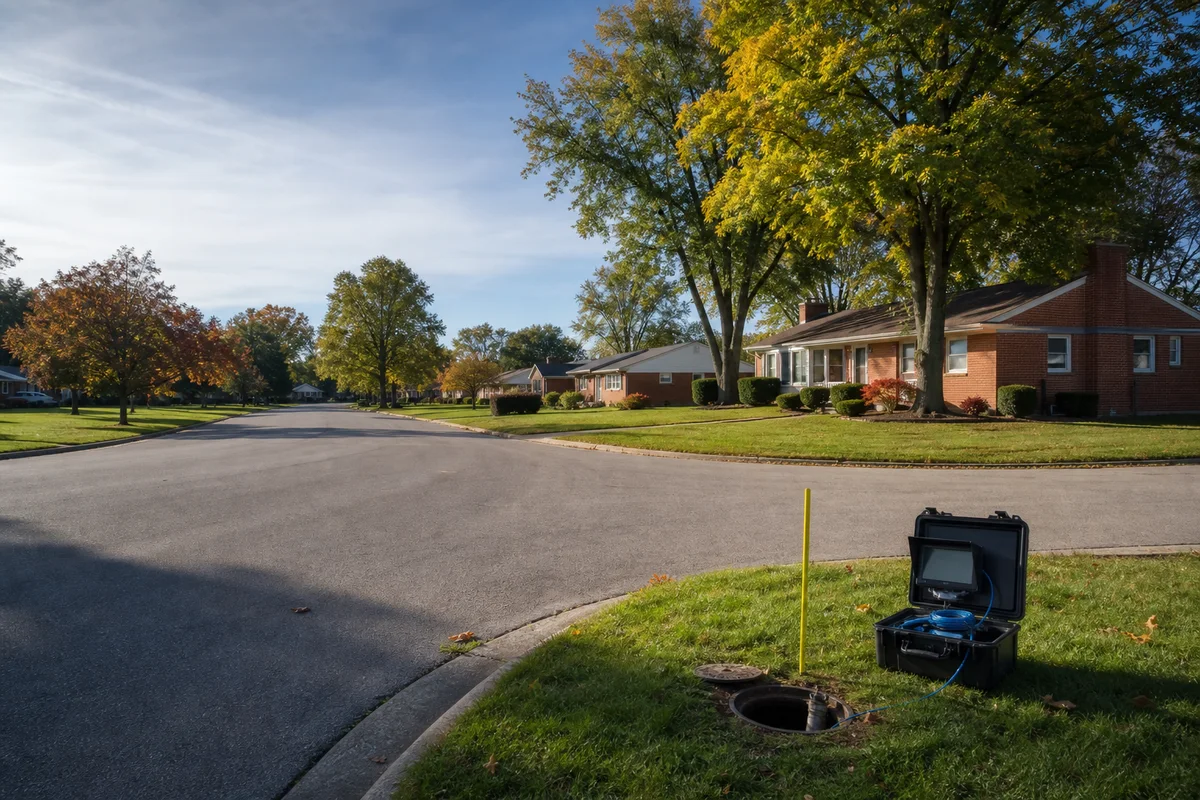
Camera-led homeowner decision guides
Compare pipe lining, pipe bursting, targeted repair, and full replacement using the same measured sewer record.
A backup, root intrusion, failed purchase inspection, Orangeburg deformation, or commercial interruption creates a different first question.
Separate fixture, private lateral, and wet-weather system conditions before promising structural work.
Cutting restores visibility. The post-cleaning camera must still locate the opening.
Measure ovality, collapse, offset, or grade before deciding whether lining remains possible.
Keep the full video, station log, material notes, surface marks, and survey limits before closing.
Flow, tenant access, kitchens, production, parking, bypass, traffic, and an agreed interruption window belong in the first scope.
Set station zero, map materials, defects, transitions, and limits.
Tie decision stations to fixed surface features and utilities.
Test lining, bursting, spot repair, and excavation prerequisites.
Keep closing footage, permits, materials, and restoration records.
Cleaning, descaling, camera passes, locating, and material identification.
Length, diameter, resin or new pipe, branches, pits, cure, pull, and testing.
Utilities, permits, traffic, interior protection, concrete, pavement, and landscaping.
Postwar housing makes several materials plausible. Only the current camera and any exposed transition identify the actual route.
A short defect does not always mean a short project. Ask which field condition starts the clock, what stops work, and what proof closes the scope.
Livonia identifies the individual sewer lead and its connection to the main as the homeowner responsibility.

Rehabilitate a cleanable host pipe while preserving its route.
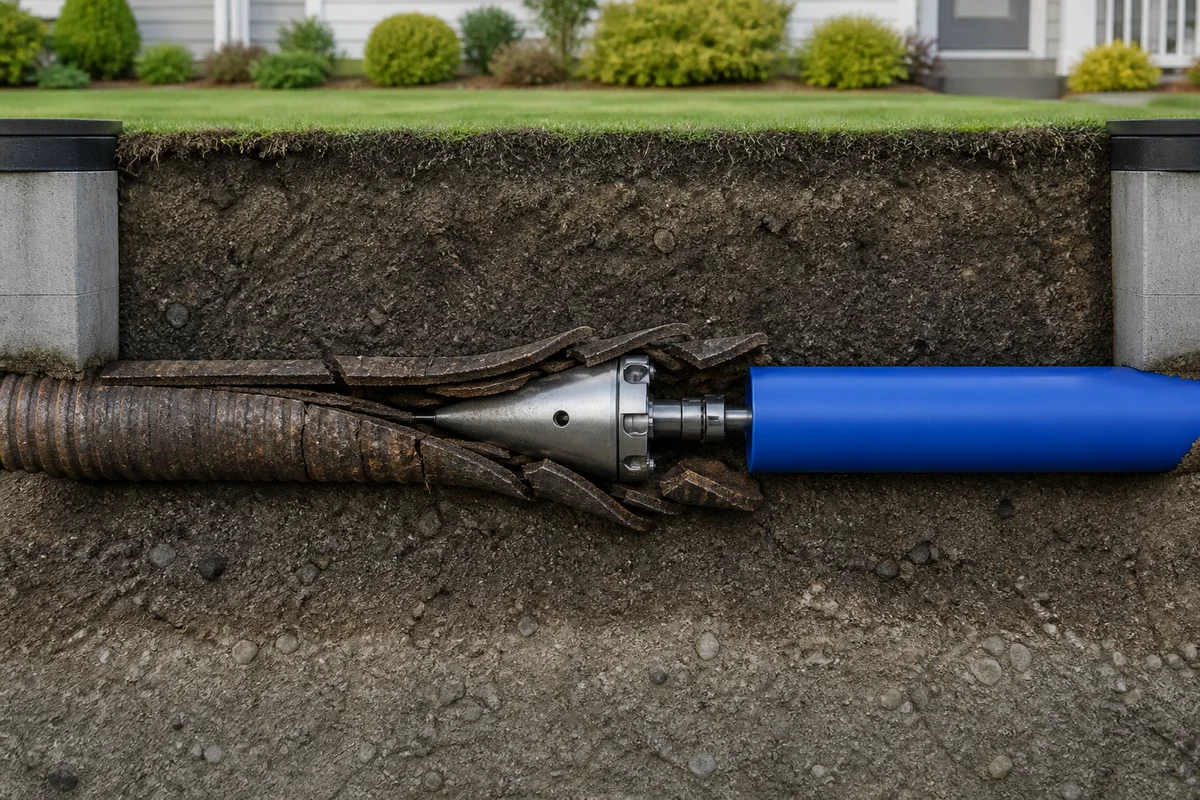
Replace a compatible failed run through controlled access.
Confirm fiber-pipe geometry before choosing lining or replacement.
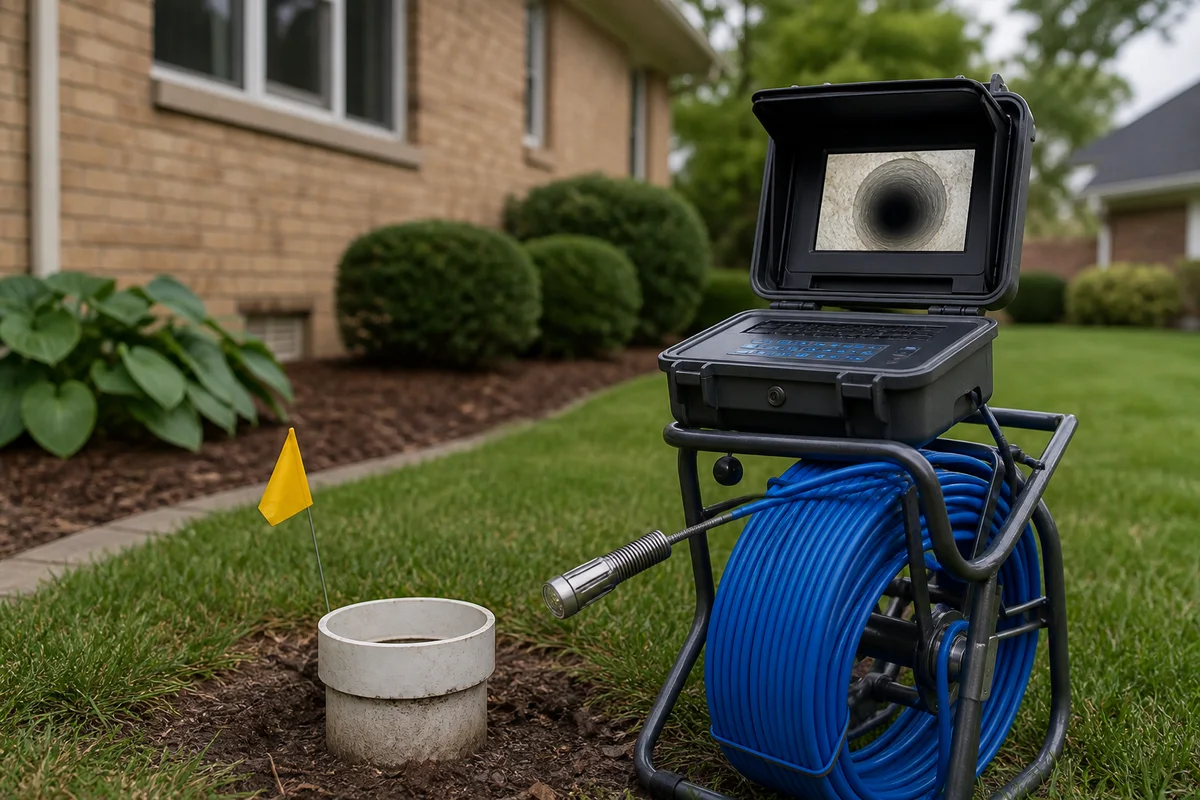
Preserve the lateral record before the property changes hands.
The property still needs inspection by a qualified local provider.
The City of Livonia states that it maintains the sanitary main while the individual sewer lead and its connection to the main are the homeowner responsibility.
A complete camera and locating record should document material, diameter, access, defect stations, geometry, survey limits, and the reason each possible method was ruled in or out.
No. CIPP needs a host pipe that can be cleaned and retains a usable path. Collapse, severe deformation, failed fittings, or a grade problem can require another repair or replacement method.
Bursting can replace a compatible failed pipe when the route, utilities, bends, soil displacement, launch access, receiving access, and final connections can be managed safely.
No. Housing era makes Orangeburg a realistic question, but the material must be identified through camera texture, geometry, records, transitions, or an exposed sample.
No. Pits, connections, fittings, utility conflicts, access, inspection, or restoration can still require controlled openings.
Put them beside the same defect map and compare preparation, access, method, permits, branch work, inspection, restoration, closeout evidence, exclusions, and written change conditions.
No. Wet-weather backups can involve direct inflow, groundwater, public-system surcharge, private defects, or several pathways at once.
Keep the unedited before-and-after footage, measured stations, surface locations, written scope, permits, inspection signoffs, material records, invoices, and restoration terms.
Include the property town, system type if known, camera findings, rainfall timing when relevant, and access concerns.
734-555-0147